About the Alexander Technique
What is the Alexander Technique?
The Alexander Technique is an educational method that helps individuals develop greater awareness about their postural habits and responses to the many stimuli we encounter in daily life. It is named after F.M. Alexander (1869-1955) who developed and subsequently taught this method to students from various walks of life including educators, actors, musicians, writers, politicians, school children, etc.
Alexander asserted that most people develop habits that operate on a subconscious level. Often, these habits are a result of the stimuli that we encounter in our daily lives through the demands of our environment, social interactions, work, education, etc. Generally, we do not think about these until we encounter a problem. Indeed, when we look at our world today, people dealing with issues of stress and tension–whether it is back (or other kinds of) pain, trouble sleeping, anxiety, to mention a few–are all around us. We may even count ourselves in this mix.
Most approaches to these conditions are specialised and specific. The Alexander Technique is built on an approach of psycho-physical unity: it stresses that we cannot look at processes of living as exclusively physical or mental. In fact, these are all connected and part of how the whole self functions.
The operational ideas of F.M. Alexander’s work can be listed as the following*:
Use and functioning
The whole person
Primary Control
Unreliable sensory appreciation
Inhibition
Direction
Ends and means
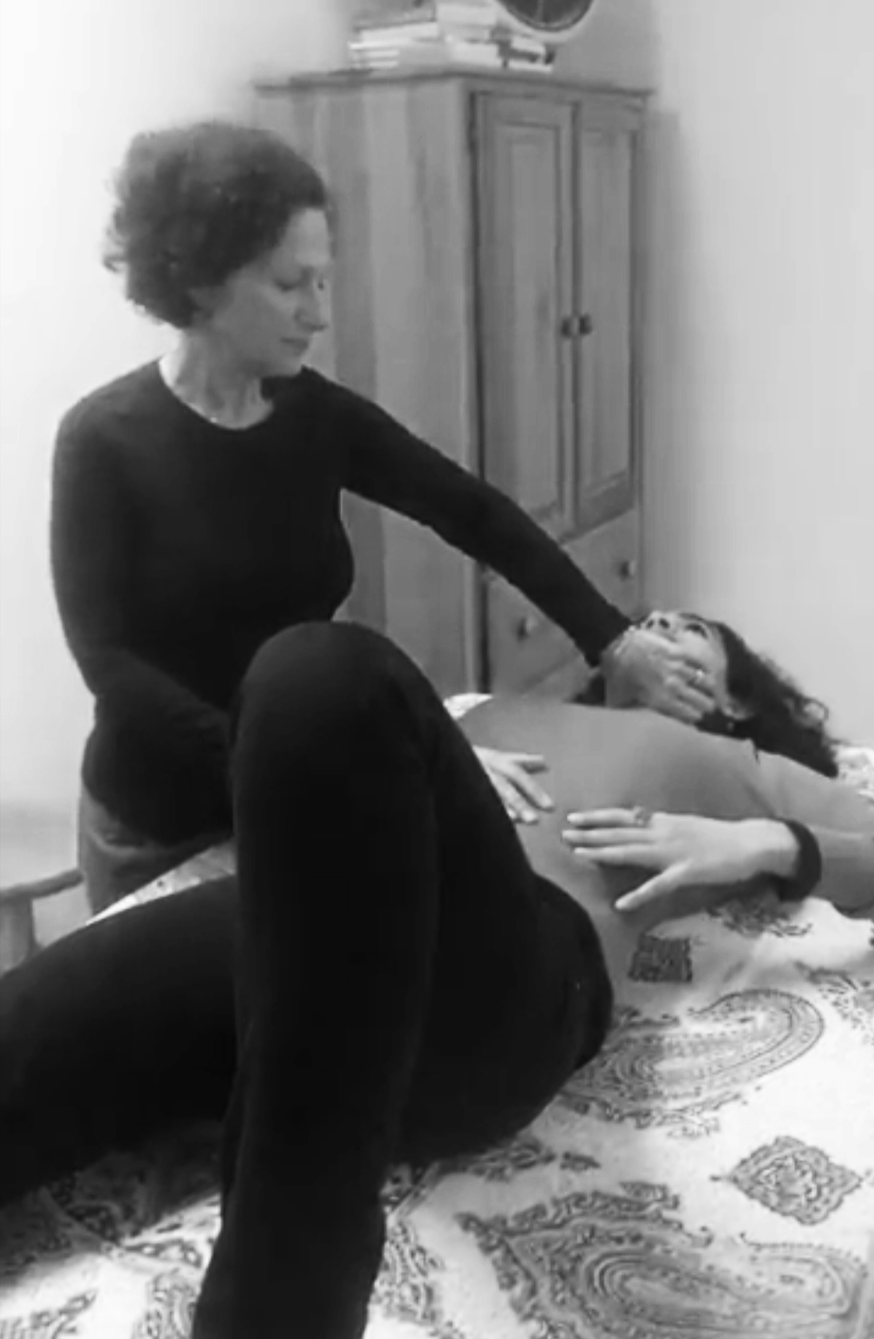
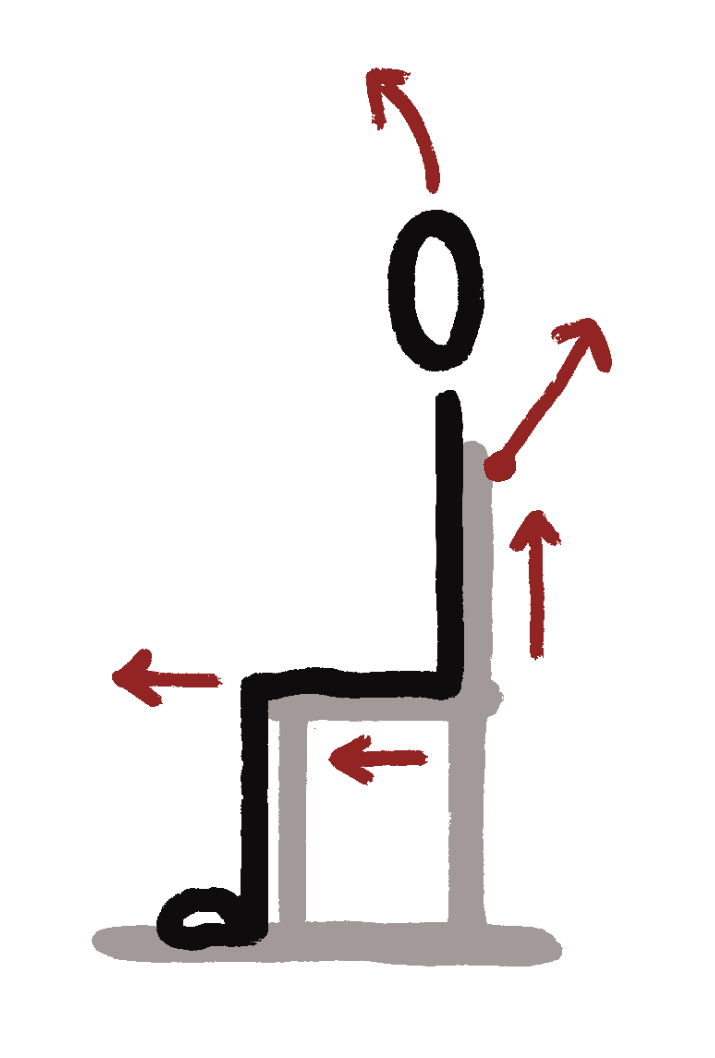
The approach is based on unlearning and undoing deeply held habits that interfere with the good use of our whole self. Students are guided through simple everyday activities–how they sit, stand, walk, lie down–with the aim of understanding and gradually improving the deep inner alignment of their body/mind.
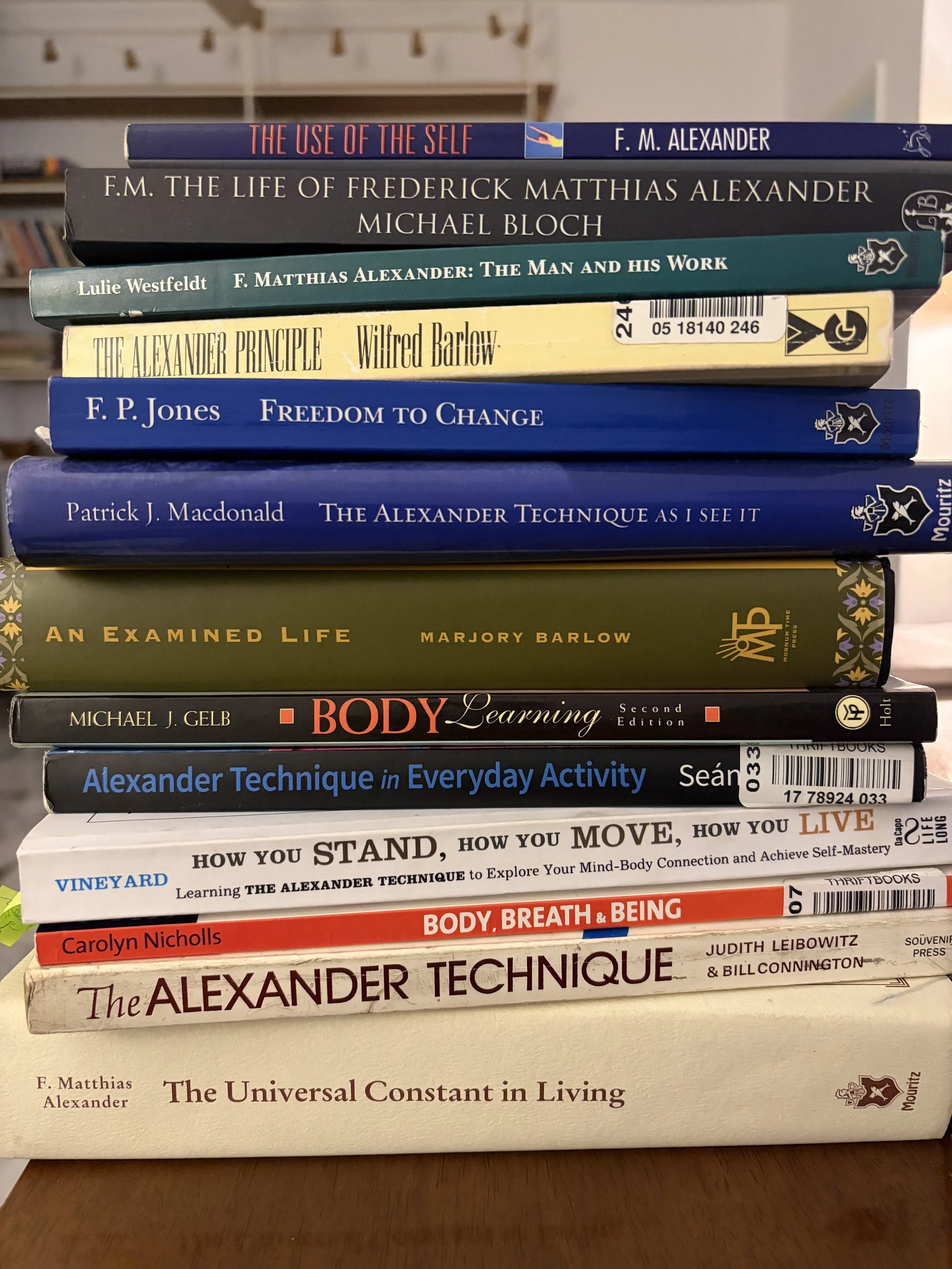
*Michael J. Gelb, Body Learning: An Introduction to the Alexander Technique
Who is it for?
The Alexander Technique is a skill that helps bring balance to the activities of our daily lives. It is taught in several parts of the world and people choose to learn it for a variety of reasons. Being interested in the ideas of the Alexander Technique is a wonderful place to begin!
In certain cases, people come to the Alexander Technique toseek help for specific conditions in their lives.
Performers benefit from Alexander Technique lessons due to a general improvement in their coordination. In countries like the USA and UK, it is common for Alexander Technique to be part of the curriculum in performing arts programmes. Musicians, actors, dancers, sportspersons, and others who are trained to use their bodies in highly specialised ways find that learning the Alexander Technique is a foundation that helps maintain balance and openness in their coordination.
In our times, one of the biggest causes for chronic health conditions is a sedentary lifestyle. People with chronic pain issues turn to the Alexander Technique as a complementary therapy to conventional approaches to bring about a change in their condition.
The Alexander Technique helps people learn about their unique habits and the gentle, hands-on, approach of working on overall coordination can be beneficial to many.
How can I start learning the Alexander Technique?